-
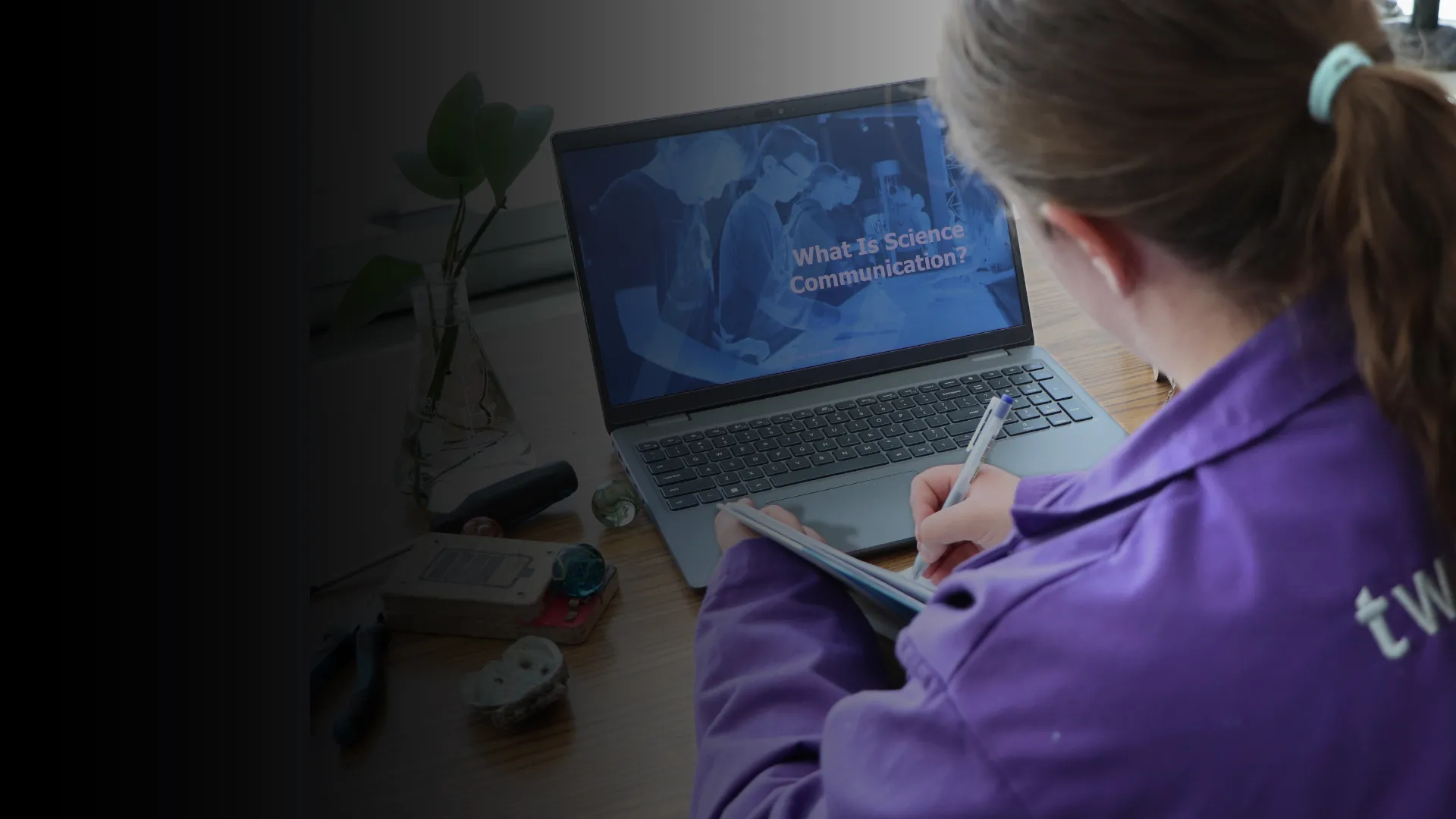
Making Science Matter is a suite of evidence-based science communication courses designed to help ideas connect, resonate, and inspire action.
From research findings to public engagement, these courses build confidence and clarity through practical, hands-on learning grounded in research and real-world experience.
Where: In person or virtual
Entry: Complete the form to register below
Where: In person or virtual
Entry: Complete the form to register below
Research Informed
Courses are developed using current research and best practices in science communication. Content is grounded in evidence to ensure approaches are credible, effective, and proven to work, not based on trends or anecdotal experience.
Practical Skills
Learning is hands-on and application-focused, with tools and techniques that can be used immediately. Skills translate across settings, from communicating research and engaging the public to supporting science-based organizations.
Experienced Facilitators
Courses are backed by over 30 years of science centre experience and delivered by skilled facilitators who understand both science and audiences.
Testimonials
Explore Courses

Fundamentals of Communicating Science
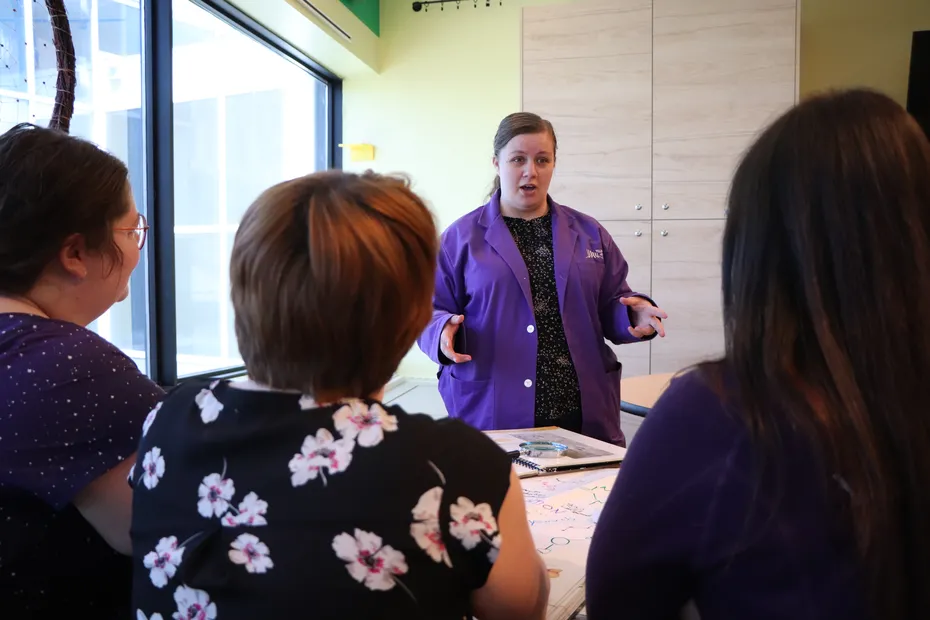
A foundational course focused on making science clear, memorable, and audience-friendly. Ideal for early-career communicators and STEM professionals looking to build confidence and practical communication skills.
Duration: 3 hours
Format: In person or virtual
Best for: Early-career science communicators, graduate students, outreach professionals
Price: $3800 per team


Supporting Science Literacy
A highly interactive course designed to strengthen science literacy, fact-checking skills, and confidence in sharing complex topics accurately and accessibly.
Duration: 3 hours
Format: In person or virtual
Best for: Educators, professionals, and anyone supporting informed decision-making
Price: $3800 per team


Engaging Science Skeptics
Explore why people are skeptical of science and learn practical strategies for having respectful, productive conversations about controversial topics. This two-day course builds confidence in addressing challenging questions and engaging with differing perspectives.
Coming soon!
Register Your Team Today
Complete the online registration form to book courses for groups and organizations.
BOOK NOWYour Facilitators

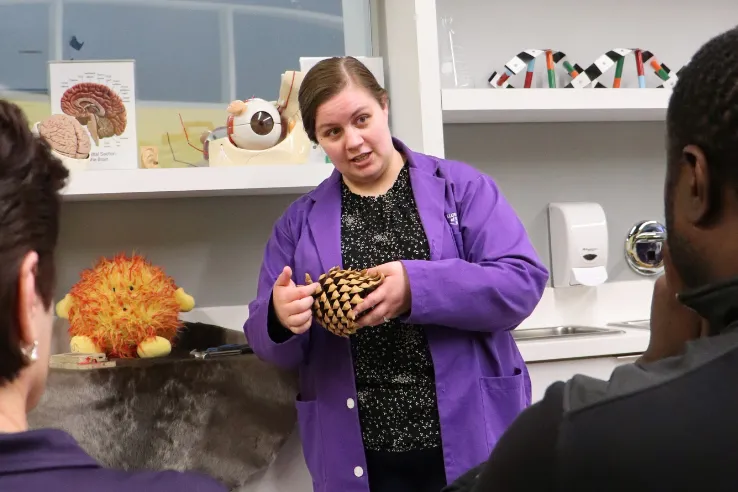
Abigail Stosky-Rahman
- MSc Science Communication from the University of Edinburgh
- BSc Biology and Psychology from the University of Alberta
- 10+ years of experience in Science Centers and informal learning institutions

Marie McConnell
- G Dip Science Communication from Laurentian University
- BSc Ecology from the University of Guelph
- 18+ years of experience in Science Centers and informal learning institutions

Laura Beauchamp
- BA in Archaeology and Museum Studies
- 9+ years experience in museums and informal learning institutions

Join the mailing list to get updates straight to your inbox.
Stay informed about upcoming courses, workshops and events
If you have any questions please email sciencecommunication@twose.ca
Non-Profit Organizations
TELUS World of Science - Edmonton is proud to support non-profit organizations through discounted pricing for Making Science Matter courses. Email today at sciencecommunication@twose.ca to book.
Special Rates for Non-Profit Organizations
- Half-Day Courses: $2,280
Frequently asked Questions
Questions
- 1. Who are these courses for?
- 2. What does a typical course include?
- 3. Why is science communication important?
- 4. How will my team benefit?
- 5. What makes Making Science Matter courses unique?
- 6. Do Making Science Matter courses count toward U of A graduate student professional development requirements?
1. Who are these courses for?
Making Science Matter courses are designed for anyone looking to improve their science communication and critical thinking skills. They are ideal for academics, researchers, educators, professionals in STEM fields, and anyone making science-related decisions in their work or daily life.
2. What does a typical course include?
Each course includes a dedicated facilitator team, evidence-informed best practices, hands-on activities, and skill-building exercises. Sessions are interactive and practical, ensuring participants can apply what they learn immediately. Courses accommodate up to 30 participants.
3. Why is science communication important?
Science communication strengthens understanding, builds trust, and supports informed decision-making. Whether engaging with students, colleagues, clients, or the public, strong science communication helps ideas resonate, encourages inclusion, and empowers people to make better decisions for society and the environment.
4. How will my team benefit?
Courses improve participants’ ability to engage diverse audiences, communicate science in ways that connect and stick, and collaborate more effectively across disciplines. They are also a valuable professional development and team-building opportunity.
5. What makes Making Science Matter courses unique?
Our training is research-backed, evidence-informed, and designed to be effective, informative, and engaging. Facilitators combine decades of hands-on experience with best practices in science communication to ensure participants leave with practical skills that work in the real world.
6. Do Making Science Matter courses count toward U of A graduate student professional development requirements?
All Making Science Matter courses include active, hands-on learning, small group discussion, and reflection that build the skills of critical thinking, creativity, confidence, communication, and collaboration.